


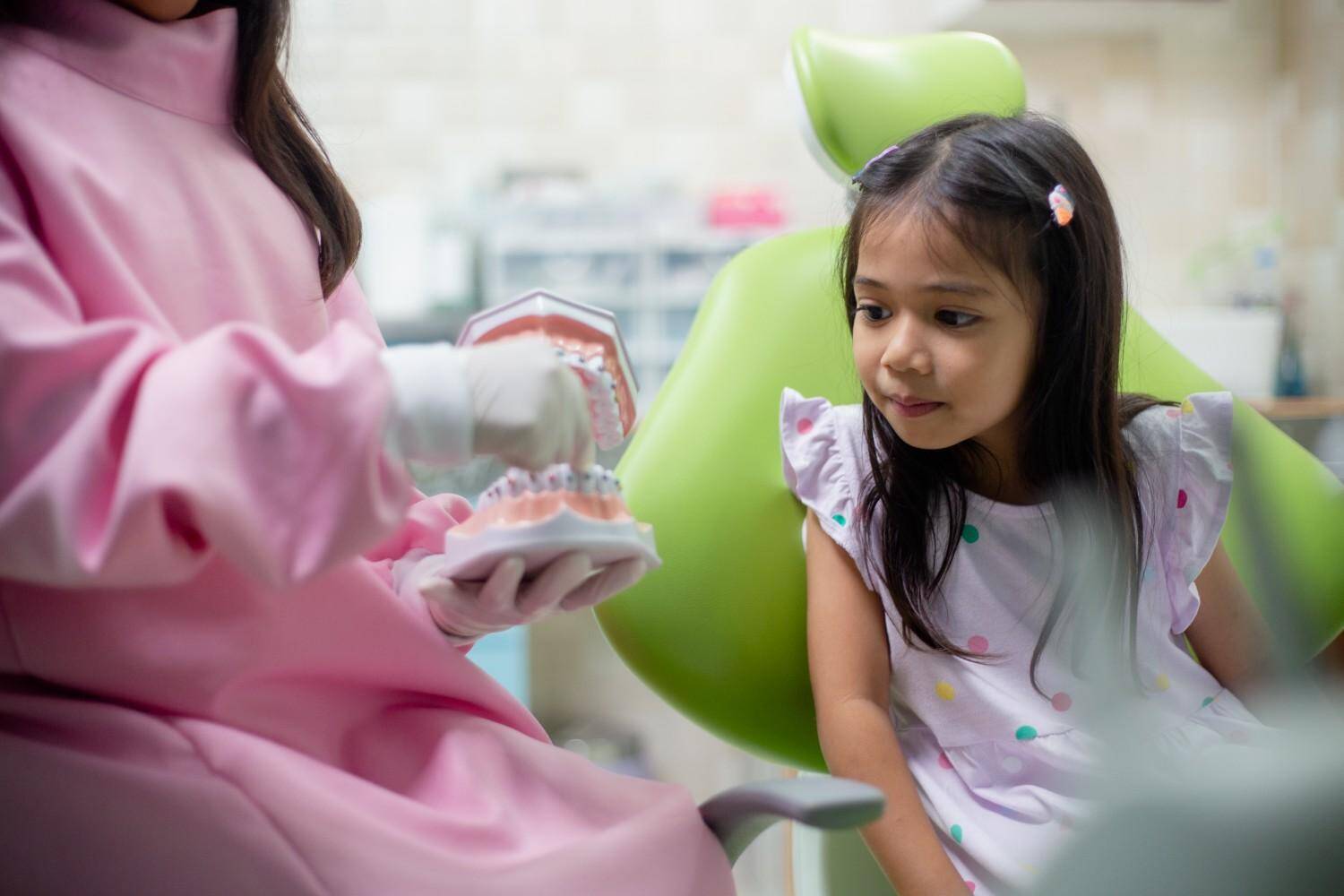
Healthy teeth and gums usually develop through regular care rather than occasional treatment. Routine dental visits allow clinicians to monitor changes early, provide preventive care, and help patients maintain healthier habits over time. Small concerns that seem minor initially may gradually progress if left untreated for too long.
For many individuals, visiting a dentist in Forest Hill becomes part of maintaining overall comfort and confidence during everyday life. Dental care affects chewing, speech, appearance, and even social confidence, which makes preventive treatment especially important.
Consistent appointments also help patients better understand how daily habits influence long-term oral health outcomes.
Preventive Dentistry Helps Reduce Larger Problems
Preventive care focuses on identifying concerns before they become severe enough to require more extensive treatment. Professional cleanings remove plaque and tartar buildup, while exams allow clinicians to evaluate teeth, gums, bite alignment, and existing restorations regularly.
Patients who remain proactive about preventive visits are often less likely to develop advanced cavities or gum disease or to experience avoidable emergencies later. Early treatment may also preserve more natural tooth structure while improving overall comfort.
Many people searching for a dentist in Forest Hill priorities preventive care to avoid waiting until pain or visible damage begins to interfere with daily activities.
Common Dental Concerns Often Develop Quietly
Not every oral health issue causes immediate discomfort. Some dental concerns continue progressing beneath the surface before noticeable symptoms appear. This is one reason routine evaluations remain important even when the mouth feels normal.
Common signs that may require professional attention include:
- Tooth sensitivity
- Gum bleeding during brushing
- Jaw discomfort
- Persistent bad breath
- Chipped or worn teeth
- Pain while chewing
Early attention to these symptoms often creates simpler, more conservative treatment options.
Comparing Preventive and Reactive Dental Care
Patients sometimes wait until pain develops before scheduling appointments, while others maintain regular preventive visits even when no symptoms are present. The difference between these approaches may significantly affect long-term oral health.
| Preventive Dental Care | Reactive Dental Care |
| Focuses on early detection | Often begins after discomfort appears |
| Helps reduce future complications | May require more extensive treatment |
| Supports routine maintenance | Addresses existing problems |
| Encourages healthier habits | Usually symptom-driven |
| Often preserves more natural tooth structure | Problems may progress before treatment |
Routine care often creates better opportunities to maintain comfort and reduce future complications.
Modern Dentistry Places Greater Emphasis on Comfort
Dental anxiety continues to affect many adults and children. Fear of discomfort, uncertainty about procedures, or previous experiences sometimes leads patients to postpone appointments longer than they should.
Modern dentistry has evolved significantly through improved imaging technology, gentler techniques, and more patient-focused communication. These changes often make appointments feel less stressful and more approachable.
Some individuals choosing a dentist in Forest Hill are looking specifically for an environment where explanations feel clear, and treatment decisions feel collaborative rather than overwhelming.
Tailored treatment enhances the chances of better outcomes
Every patient enters the dental office with different goals, habits, and oral health concerns. Some individuals primarily require preventive maintenance, while others may need restorative or cosmetic treatment to improve comfort or the appearance of their smile.
Personalized treatment planning allows recommendations to reflect the patient’s specific needs instead of relying on generalized approaches. Lifestyle habits, previous dental history, and oral hygiene routines all influence long-term care planning.
This individualized approach often helps patients feel more confident and informed throughout their treatment.
Oral Health Influences Daily Confidence
The condition of the teeth and gums frequently affects how people feel during conversations, meals, and social interactions. Visible damage, discomfort, or missing teeth may gradually influence confidence in both personal and professional situations.
Healthy smiles support clearer speech, comfortable chewing, and stronger self-confidence. Maintaining oral health also reduces the likelihood of complications that may interfere with everyday routines later.
During patient care discussions at Brush Floss & Smile, preventive guidance and personalized communication often remain central parts of helping individuals maintain healthier long-term smiles.
Long-Term Dental Care Encourages Healthier Habits
Routine dental visits are not only about treating problems after they appear. They also create opportunities to improve brushing techniques, flossing habits, dietary choices, and preventive routines that support stronger oral health over time.
Patients who maintain consistent appointments often become more proactive about protecting their smiles before concerns become severe. Ongoing monitoring also allows clinicians to track subtle changes and respond early when necessary.
For individuals looking for dependable and personalized care, Brush Floss & Smile continues to provide dental treatment focused on prevention, comfort, and long-term oral wellness.
FAQs
1. Why are regular dental visits important?
Routine visits help identify oral health concerns early while supporting healthier teeth and gums over time.
2. What symptoms should not be ignored?
Sensitivity, swelling, gum bleeding, chewing discomfort, and persistent bad breath should all be evaluated by a professional.
3. How often should preventive dental cleanings be scheduled?
Many patients benefit from cleaning every six months, although some individuals may require more frequent visits.
4. Can preventive care reduce future dental treatment?
Yes. Early detection and routine maintenance may help reduce the likelihood of larger restorative procedures later.
5. Why do some patients prefer personalized dental care?
Some patients at Brush Floss & Smile appreciate treatment suggestions that are customized to their comfort, oral health needs, and long-term objectives.